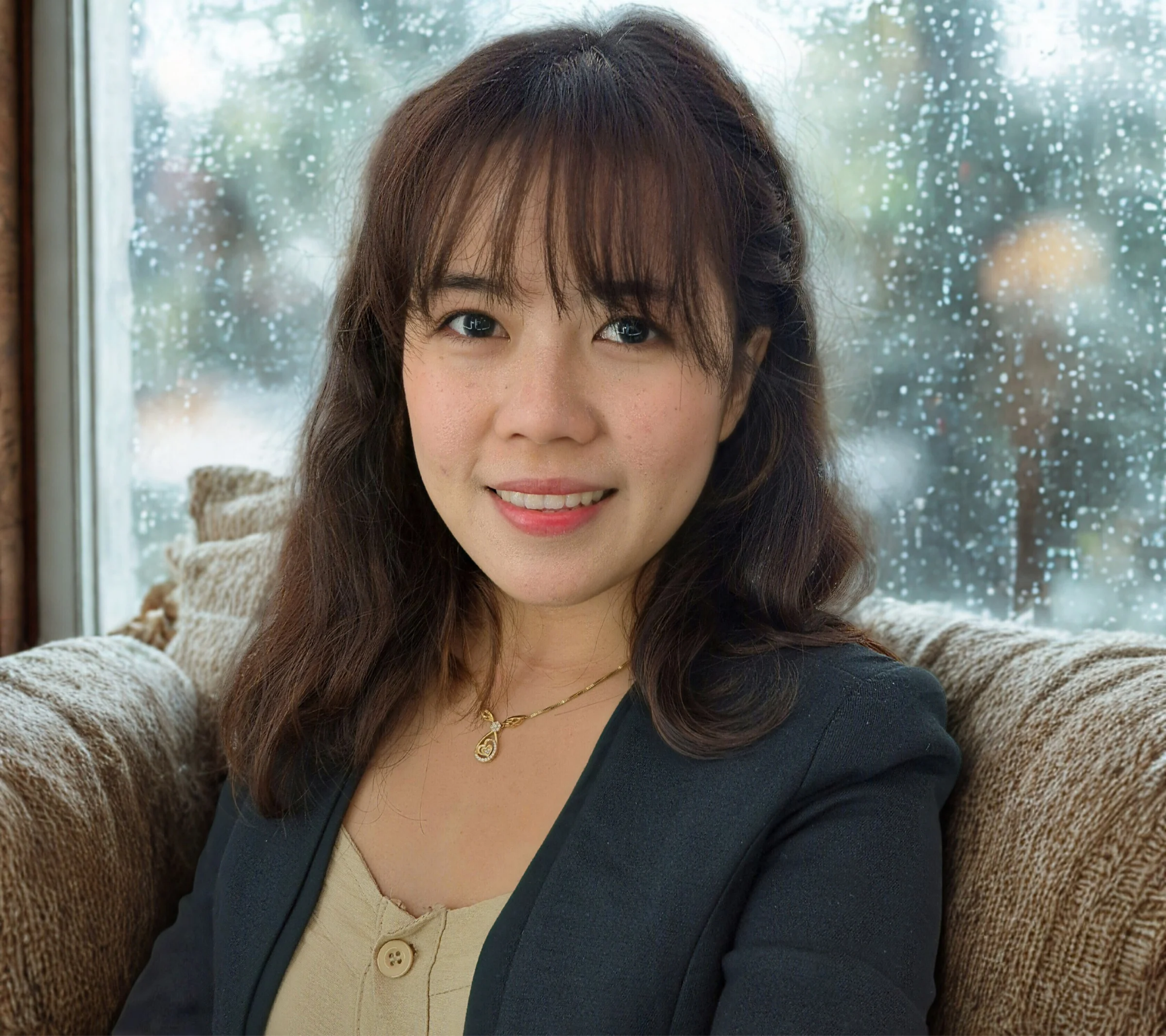
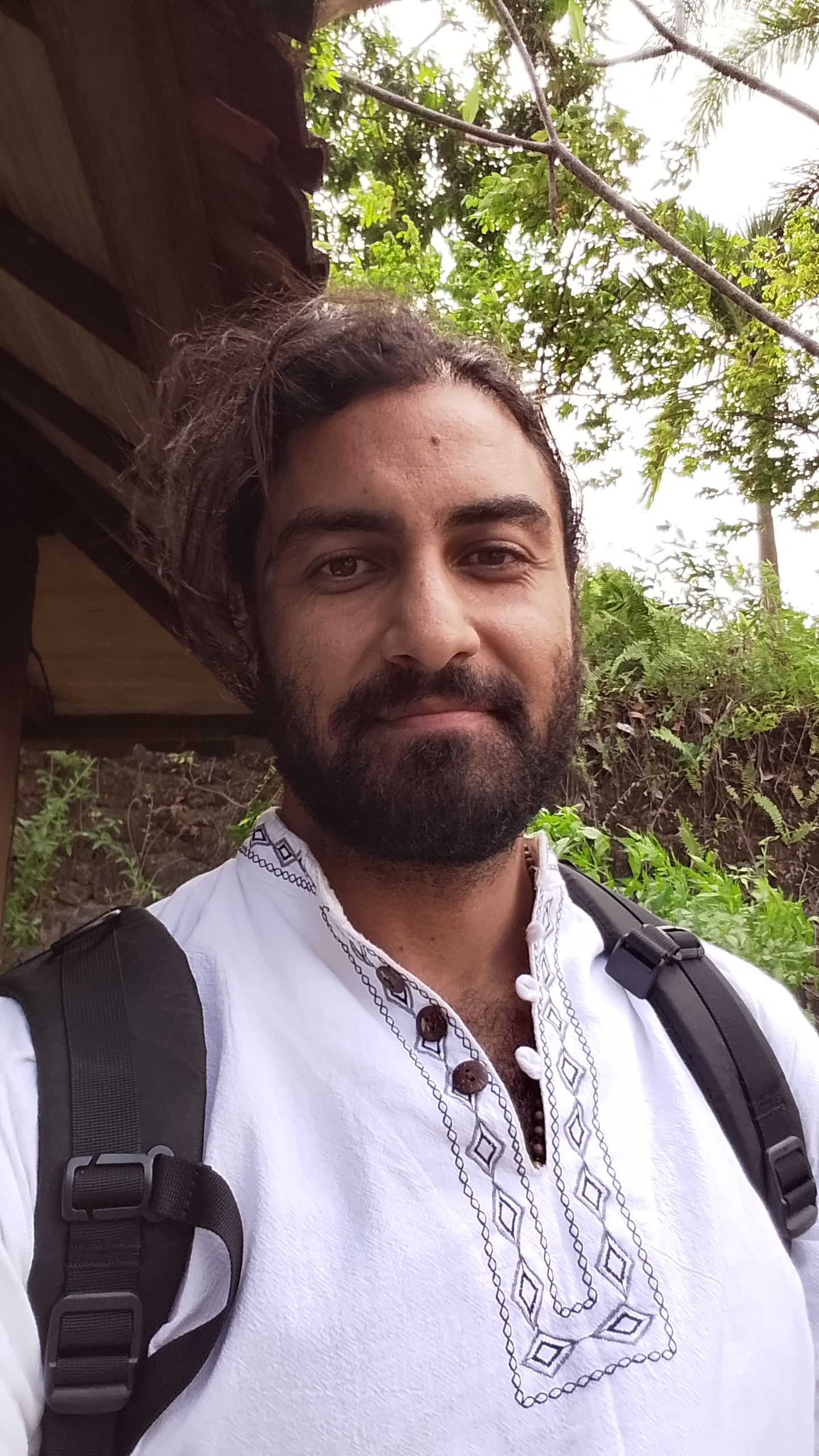
From Video Calls to Semarang: Meeting My Teacher for the First Time
For months, Yohana and I have been building JADI together entirely over video calls. She lives in Central Java, I live in Bali. We have designed lessons, experimented with different features, recorded dialogues, and planned an entire app together, all through a screen. We talk most days but had never actually been in the same room.
Last week, I flew to Semarang to change that.
Finally Face to Face
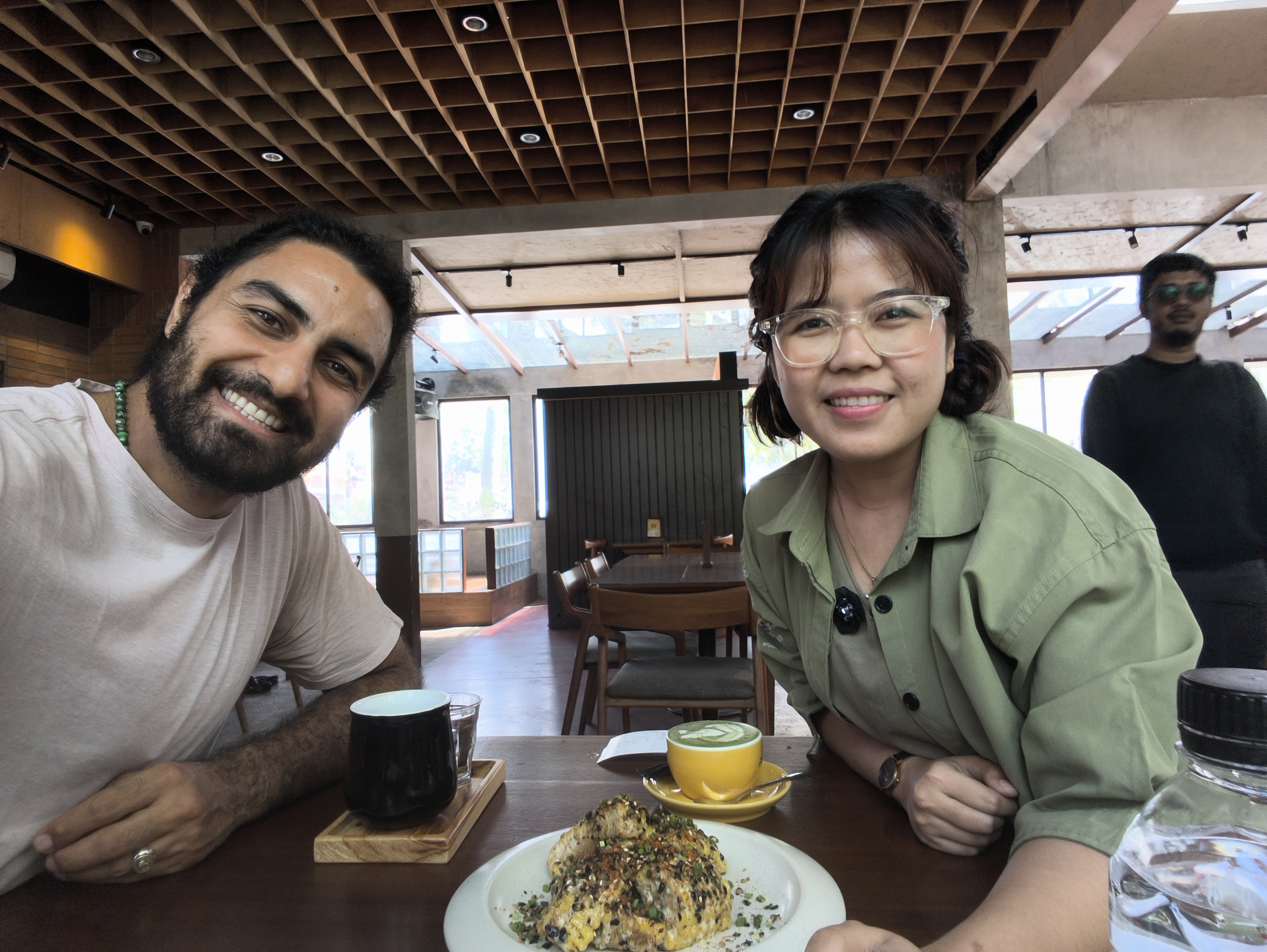
The first thing I noticed when I saw Yohana outside my hotel was that she was smaller and shorter than I expected. After months of video calls where you only see someone from the shoulders up, you build this picture in your head. In person, it was different, and honestly, it was funny. We both laughed about it.
As I sat in her car and spoke with her Mom and Dad I could feel how special it was to finally meet and to enjoy speaking in this language we have been working on together. Even more special that we have this big project as well to help others learn.
I spent five nights in Semarang, and although it didn't feel the most productive it was such a joy. We celebrated how far we’ve come, planned what we’re building next, and got to understand each other’s daily lives in a way that just doesn’t happen over video.
Semarang Is Not Bali
After having lived in Bali for about 8 months I thought Semarang would be the same as Bali but it wasn't. It is as unique as where I live with all the beautiful and curious nuances of a delectable place.
The food is different. The traffic moves differently. The people interact differently. Even the language sounds different. Central Java has its own dialects and speech patterns that you don’t hear in Bali’s mix of Indonesian, Balinese, and tourist English. For someone trying to learn the language, it was both humbling and exciting. Every conversation was a chance to hear something new.
Semarang felt more like the real Indonesia to me. Less filtered, more lived-in. And it gave me a new appreciation for just how diverse this country is, and why building a language app that captures real, everyday Indonesian matters so much.
Sunday at Church
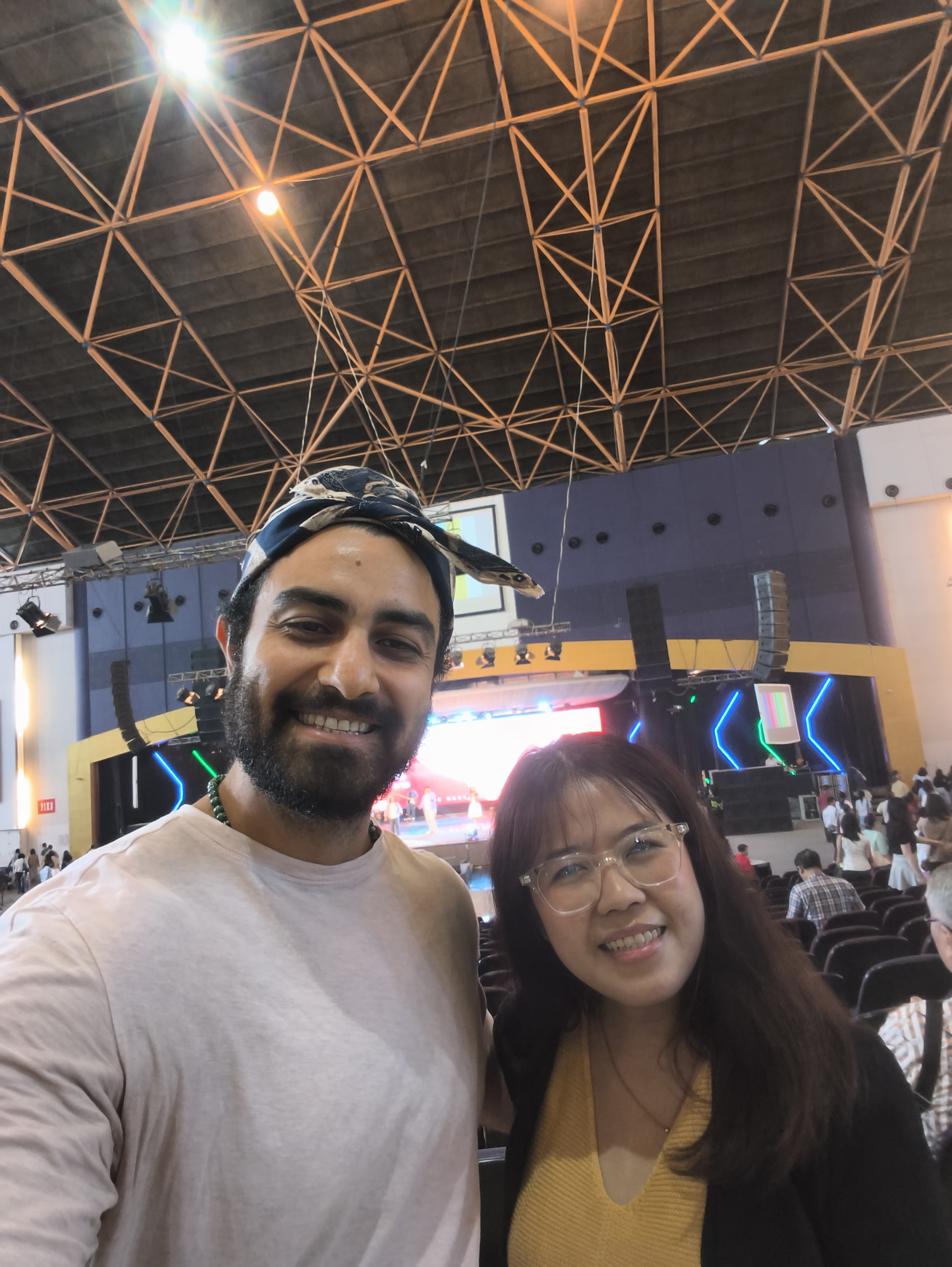
On Sunday, Yohana invited me to her church. I wasn’t sure what to expect, but it turned out to be a really wonderful experience.
The sermon was in Indonesian, and Yohana sat next to me taking notes on her phone so I could follow along. She’d type out quick translations and context so I could understand what the pastor was talking about. It was like having a live lesson inside a real-world setting, exactly the kind of immersive learning experience that no app can fully replicate, but that we’re trying to get closer to.
The songs were a mix of English and Indonesian, with the lyrics displayed on a screen at the front. I got to sing along with the congregation, reading the Indonesian words in real time. After the service, I met her pastor and received a blessing through prayer.
Investing in Content
One of the things we did in Semarang was invest in our content creation. We both picked up DJI Action Pro 5 cameras: small, high-quality, and built for the kind of on-the-go recording we need. We’ve been creating content for social media, and the quality upgrade is going to make a real difference.
We spent time recording around the city, in markets, on streets, at restaurants, capturing the kind of real-life Indonesian that textbooks don’t teach. This is content that will show up in our social channels as we continue to grow the community around JADI.
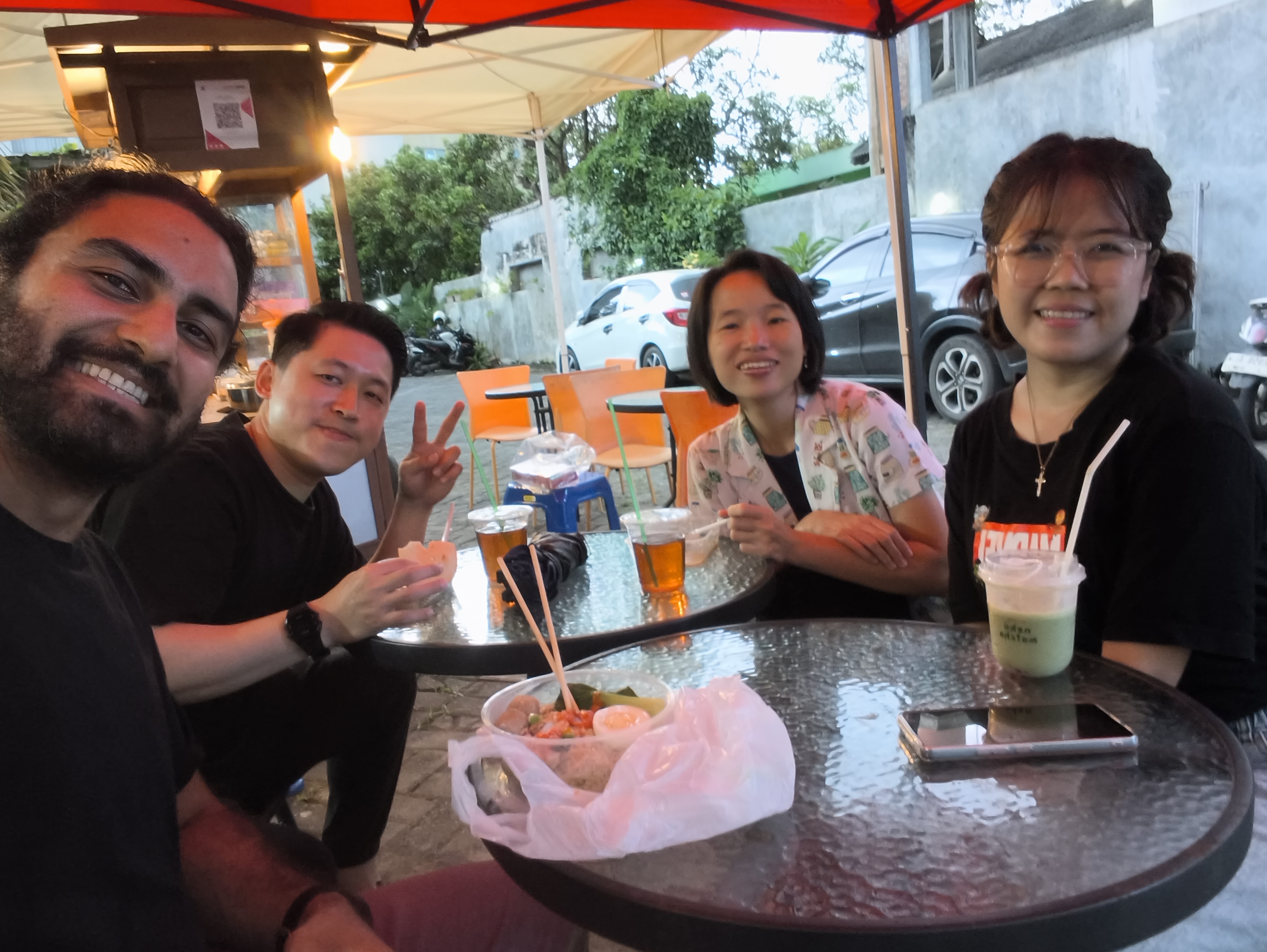
Friendship
One of the highlights of this trip was meeting Yohana's friends, like Ronny and Jessie pictured above. Jessie is a masterful designer of beautiful Indonesian clothing and Ronny an owner and operator of a really cool cafe where we hung out and first met. Having a tour around Kota Lama "Old City" by Yohana and friends was super fun and one of the best highlights of the trip. It reminded me of one of the "mantras" I had been writing in my notebook before the trip.
"Percakapan itu hadiah yang ngajarin kita pertingnya hubungan." Conversation is a gift that teaches us the importance of relationships.
A Shift in How We Teach
Now, the part I’ve been wanting to share: we’ve been making some significant changes to how the app works.
When we launched, our lessons were packed. We wanted to give people as much as possible in every session. But after listening to feedback from our early users, we realized that more isn’t always better. People want to learn every day, and they want to feel like they’re making progress, but they don’t want to sit down for a 30-minute session every time they open the app.
So we’ve been breaking lessons down into smaller, more focused pieces. The idea is daily incremental progress: open the app, learn something meaningful in 20 minutes, and build on it tomorrow. It’s a change that sounds simple, but it required rethinking how we structure and sequence our content.
Input Over Output
The bigger shift, though, is philosophical.
If you’ve studied linguistics or language acquisition, you might have heard of the Input Hypothesis. It was developed by Stephen Krashen, and the core idea is this: we acquire language primarily by receiving comprehensible input, listening and reading at a level just slightly above where we currently are, not by practicing output like speaking and writing.
This doesn’t mean speaking practice isn’t valuable. It is. But the research shows that the foundation of language acquisition is built through input. You need to hear and read a lot of the language before your brain is ready to produce it naturally. Think about how children learn their first language; they spend years listening before they start speaking in full sentences.
We took this seriously. Over the past few weeks, we’ve refactored the app to lean much more heavily into input-based learning. That means more listening exercises, more reading passages, more dialogues where you’re absorbing real Indonesian being used in context. The output exercises (speaking, typing, constructing sentences) are still there, but they come after you’ve built a solid foundation of input.
This isn’t just a theory we read about and decided to try. It aligns with everything Yohana has seen in her many years of teaching and being a language student herself. The students who progress fastest are the ones who immerse themselves in listening and reading.
What This Means for You
If you’re using JADI or planning to, here’s what these changes mean in practice:
- Shorter daily lessons designed for consistent, everyday use rather than long study sessions
- More listening and reading content with dialogues, stories, and real-world Indonesian that build your comprehension naturally
- A progression that mirrors how your brain actually acquires language with more input to help you learn
We think you’re going to notice the difference.
Building This Together
Meeting Yohana in person reminded me why we started this. It’s easy to get lost in the technical details day to day, but sitting across from someone, walking through their city, meeting their community, that brings it all back into focus.
We’re building JADI because we believe there’s a better way to learn Indonesian. And every trip, every conversation, every piece of feedback from our users gets us closer to it.
More updates soon. We have a lot in the works.
— Bijan